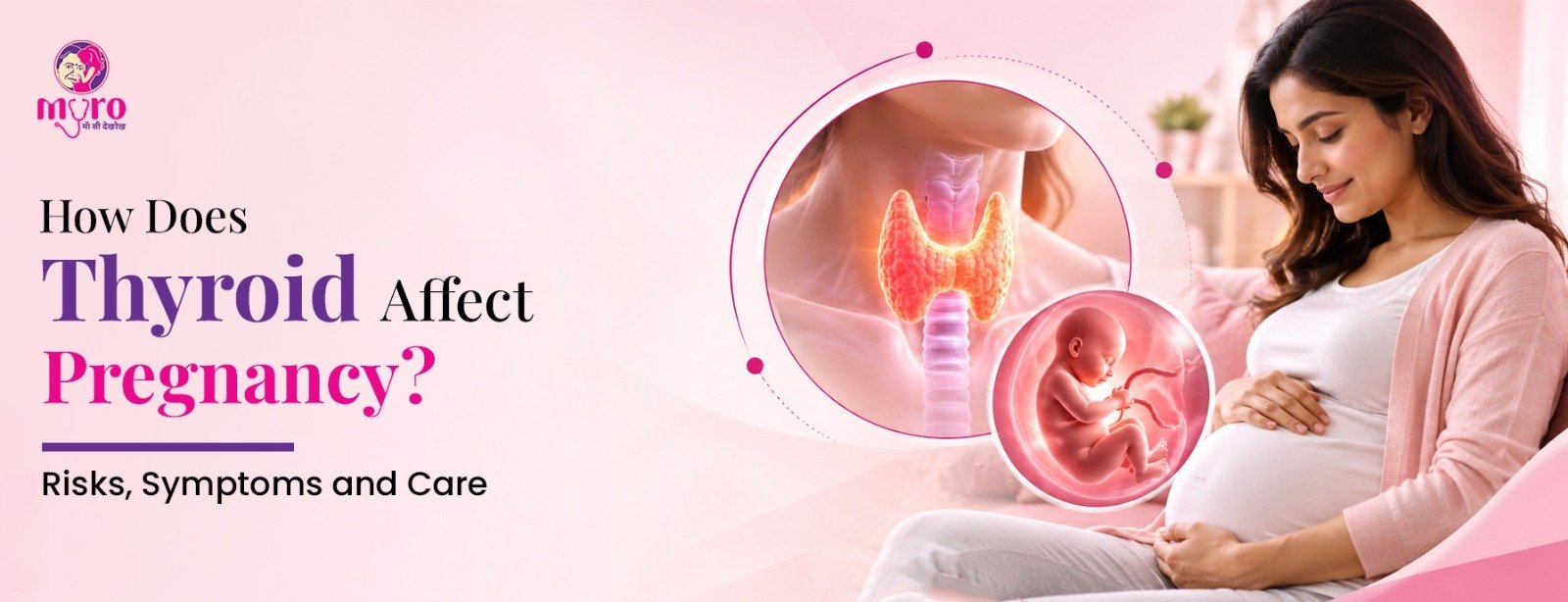
Can a thyroid problem affect pregnancy? Yes, it can, but timely testing and proper care throughout pregnancy can help to protect the health of both the mother and her little ones. Hormone levels normally change over the nine months of pregnancy, and regular monitoring allows the doctor to identify and manage thyroid problems early. Being aware of these shifts allows for care and a smoother journey through pregnancy.
In this regard, this guide explores how does thyroid affect pregnancy, its risks and symptoms. It also covers diagnosis, management, home care and health after delivery.
Why Does Thyroid Matter During Pregnancy?
Thyroid hormones help the baby grow and develop their brain during pregnancy. It plays a crucial role in the baby’s development throughout the pregnancy, especially in the first few months. Thyroid hormones also control functions inside the mother’s body while she is pregnant. When thyroid hormone levels are adequate, they keep the expecting mother and the baby in her womb healthy.
How Does Thyroid Affect Pregnancy?
The thyroid gland regulates the body’s metabolic rate and supplies hormones that are essential for the baby’s development. Thyroid disorders take two main forms, hypothyroidism and hyperthyroidism, and each is outlined below.
Hypothyroidism (Underactive Thyroid) During Pregnancy
Hypothyroidism occurs when the thyroid gland does not produce enough thyroid hormone. During pregnancy, it can affect the health of both the mother and the baby. Symptoms may include tiredness, constipation, dry skin and sensitivity to cold.
The above signs may be present in normal pregnancy. To treat hypothyroidism in pregnancy, your doctor may order thyroid function tests to determine whether you have hypothyroidism and the type of treatment you need.
Hyperthyroidism (Overactive Thyroid) During Pregnancy
Hyperthyroidism arises when there is overproduction of thyroid hormones by the thyroid gland. You may experience some symptoms that include rapid heartbeat, heat intolerance, irritability, or unexplained weight loss. However, some symptoms of hyperthyroidism in pregnancy overlap with those arising from pregnancy. To treat this condition, your doctor may order some tests and prescribe medicines with regular monitoring.
What Are the Risks of an Untreated Thyroid Problem?
Untreated thyroid problems may lead to multiple health issues for the expecting mother and her baby. The following table highlights some thyroid risks in pregnancy:
| Condition | Common Symptoms | Possible Risks to Mother | Possible Risks to Baby |
| Hypothyroidism | Fatigue, constipation, dry skin, feeling cold, weight changes | Anaemia, high blood pressure during pregnancy, pregnancy complications | Poor growth, premature birth, and impaired brain development |
| Hyperthyroidism | Fast heartbeat, heat intolerance, restlessness, weight loss, anxiety | High blood pressure, heart problems, pregnancy complications | Poor growth, premature birth, low birth weight, or fetal thyroid problems |
Thyroid Symptoms During Pregnancy: What to Watch For
Thyroid symptoms that you need to watch out for are unusual tiredness and dry skin. Below are some more thyroid symptoms during pregnancy that you should pay close attention to:
- Unusual fatigue
- Unexplained weight changes
- Feeling unusually hot or very cold
- Heart palpitations
- Hair thinning or dry skin
- Constipation or restlessness
Some symptoms of imbalanced thyroid production may also overlap with normal pregnancy changes. So always visit your doctor on the scheduled date to assess your health.
How Is Thyroid Diagnosed in Pregnancy?
Medical conditions related to thyroid in pregnancy are most often detected using a blood test to measure thyroid-stimulating hormone (TSH). The testing is recommended either prior to conception or early in pregnancy. Thyroid testing may also be recommended as required by your doctor. It is important to know that pregnancy alters thyroid function normally.
What counts as a normal TSH level in pregnancy depends on the trimester and on the laboratory standards. Most labs set a separate reference range for each trimester, and the range printed on your report may differ from one lab to the next. Your doctor reads the result together with your symptoms and medical history before deciding on any treatment.
How Is Thyroid Managed During Pregnancy?
Thyroid-related pregnancy complications are often managed through ongoing monitoring and care guided by your doctor. The specific approach depends on your hormonal status and the needs of your pregnancy.
When you are prescribed treatment, follow it exactly as directed. Do not change the dose or stop taking it without first consulting your physician. Apart from the treatment, healthy eating is crucial for both you and your baby. Sometimes more careful monitoring is required for a high-risk pregnancy.
Doctor Insight: “Thyroid problems are common in pregnancy, and with the right care most can be managed well. Getting tested early can make a real difference. ” — Dr. Satyamvada Pandey
What Can You Do at Home to Support a Healthy Pregnancy?
To achieve a healthy pregnancy, follow all medical advice tailored for you and maintain a balanced lifestyle. These habits help you to get the required energy levels while your body adapts to pregnancy changes.
Here are some more ways that help you support a healthy pregnancy throughout the nine months:
- Take prescribed medicines in a timely manner.
- Have nutritious meals that include fresh vegetables and lean proteins.
- Aim to sleep for about 8 hours at night.
- Attend all scheduled prenatal check-ups.
- Perform some activities as mentioned in the doctor-approved pregnancy exercise guide.
- Stay hydrated throughout the day.
Does Thyroid Affect Pregnancy After Delivery?
Yes, there are cases where thyroid issues occur post-childbirth. A condition called postpartum thyroiditis can lead to both hyperthyroidism and hypothyroidism. Symptoms associated with such a condition can appear like regular symptoms after childbirth, and they can be overlooked. A thyroid test after delivery can assist in determining whether the hormone levels are abnormal or not. Women who have a history of thyroid problems should also undergo postpartum tests.
When Should You See a Gynaecologist?
If you have been previously diagnosed with any thyroid conditions, then seek proper guidance before planning pregnancy. If you suspect that you may develop a thyroid issue during your pregnancy, then talk to your physician about it. If someone in your family has a thyroid condition, then you should also consult your gynecologist before, during and after pregnancy.
FAQs
1. Can thyroid cause miscarriage?
Yes, untreated thyroid disorders can raise the risk of pregnancy complications, including miscarriage. Following the doctor’s advice helps keep thyroid levels within the target range during pregnancy.
2. Is hypothyroidism safe during pregnancy?
Hypothyroidism can be managed safely during pregnancy with medical care. Regular blood tests allow the doctor to track thyroid levels and adjust treatment as needed.
3. Can thyroid problems affect the baby’s development?
Yes, untreated thyroid disorders can affect the baby’s growth and development. Thyroid hormones contribute to the baby’s brain development, particularly in the early months of pregnancy.
4. What is a TSH level in pregnancy?
TSH levels change during pregnancy. Vary by trimester and lab. Your doctor may use pregnancy ranges to understand your results.
5. Can thyroid be cured after pregnancy?
Some thyroid conditions go away after pregnancy, while others need long-term care. Follow-up blood tests help your doctor see if your thyroid has returned to normal.
Author Section
Dr. Satyamvada Pandey is a gynaecologist with MBBS, DGO and DNB qualifications and more than 15 years of practice. Her work centres on high-risk pregnancy, infertility and laparoscopic surgery. She is a consultant at Eternal Hospital and Cocoon Hospital, and she sees patients at Myro Clinic in Mansarovar, Jaipur.
Conclusion
Thyroid problems can affect pregnancy, but testing at the right time and proper care make these changes manageable. Both an underactive thyroid (hypothyroidism) and an overactive one (hyperthyroidism) need regular monitoring through pregnancy. Symptoms alone cannot confirm a thyroid disorder, so pregnancy-specific thyroid tests still matter.
Regular check-ups, prescribed medicines, balanced meals and gentle activity all support the health of both mother and baby. If you already have a thyroid condition or you notice unusual symptoms, consult the best gynaecologist in Jaipur for pregnancy and thyroid care.