Have you noticed your periods becoming unpredictable, or acne that just won’t clear up no matter what you try? These small and easy-to-dismiss changes might be PCOS symptoms. These symptoms are easy to ignore before they start affecting your cycle, your skin, and even your chances of conceiving. Catching the early signs of PCOS while they’re still mild makes treatment considerably simpler and far less stressful later on.
If several of the signs in this guide sound familiar, it’s worth having a proper conversation with the best gynaecologist in Jaipur rather than waiting to see if things settle on their own. This guide walks you through what PCOS actually is, the ten symptoms worth watching for, and when it’s genuinely time to see a specialist.
What Is PCOS and Why Should Every Woman Know About It?
PCOS is one of those conditions that gets talked about constantly online, yet somehow remains poorly understood by the very women it affects. It sits at the crossroads of hormones, metabolism, and reproductive health, which is exactly why it looks and feels different from one woman to the next.
What Does PCOS Mean?
Polycystic Ovary Syndrome is a hormonal condition in which the ovaries produce higher than usual levels of androgens, the hormones typically associated with male characteristics. This disruption interferes with regular ovulation, which is why irregular cycles are usually the first clue that something is off. PCOS symptoms can range from mild and barely noticeable to disruptive enough to affect daily life, and no two patients present in quite the same way.
Why Does PCOS Happen?
Honestly, doctors still don’t have one single, tidy cause to point to, and that’s often frustrating for patients looking for a clear answer. What we do know is that a hormonal imbalance in women with PCOS, particularly involving insulin and androgens, sits right at the centre of it, with genetics, insulin resistance, and even low-grade inflammation all playing supporting roles.
How Common Is PCOS in India?
PCOS is far more common than most women assume, and it’s certainly not some rare or unusual diagnosis. Studies suggest that 1 in every 5 Indian women is struggling with PCOS. A separate 2025 study among college-going women in Delhi NCR reported a prevalence of 17.4%, which says a lot about how widespread this condition has become among young Indian women today.
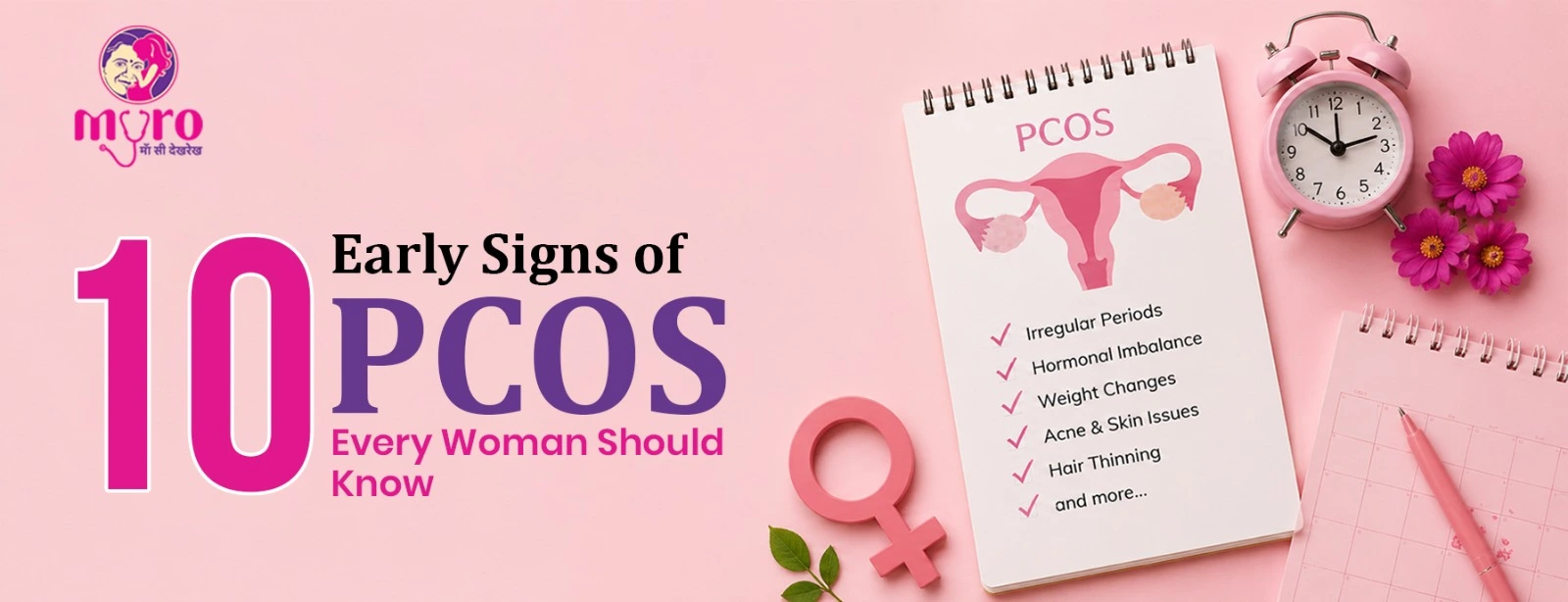
10 Early Signs of PCOS Every Woman Should Never Ignore
Some of these signs show up in isolation, while others arrive together as a cluster, which is part of what makes PCOS genuinely tricky to self-diagnose. Here’s a rundown of what to watch for, drawn from the patterns we see most often in clinics.
1. Irregular or Missed Periods
This is usually the very first thing women notice, and rightly so, since it’s often the most obvious. Cycles stretching beyond 35 days, arriving unpredictably, or disappearing for months at a time are among the clearest early signs of PCOS because they point directly to disrupted ovulation.
2. Excessive Facial and Body Hair (Hirsutism)
Coarse, dark hair appearing on the chin, upper lip, chest, or lower abdomen is a classic sign of elevated androgen levels. Many women mistake this for a purely cosmetic issue and spend years managing it with waxing or threading before ever connecting it back to their hormones.
3. Persistent Acne After Teenage Years
Breakouts that continue well into your twenties or thirties, especially along the jawline and chin, are common symptoms of PCOS in women. This kind of acne tends to sit deep under the skin and stays remarkably resistant to regular skincare routines, no matter how carefully they’re followed.
4. Sudden Weight Gain or Difficulty Losing Weight
Weight tends to settle around the abdomen rather than spreading evenly, and it often refuses to shift no matter how disciplined the diet or exercise routine becomes. This happens because insulin resistance makes the body hold onto fat more efficiently than it normally would.
5. Hair Thinning or Hair Loss
While facial hair often grows thicker, scalp hair tends to do the opposite. Thinning at the crown or a gradually widening parting line is one of the more overlooked early signs of PCOS, largely because women put it down to stress or diet long before they think of hormones.
6. Dark Patches on the Neck or Underarms (Acanthosis Nigricans)
Velvety, darkened patches of skin around the neck, underarms, or groin are visible markers of insulin resistance building up in the body. These patches don’t itch or hurt, which is exactly why they tend to get brushed off or covered up rather than checked.
7. Difficulty Getting Pregnant
Since PCOS interferes with regular ovulation, it’s one of the leading causes behind fertility struggles that bring women into our clinic. Difficulty conceiving is one of the more emotionally difficult symptoms of PCOS in women to deal with, and it’s often the reason many patients finally seek a diagnosis.
8. Ovarian Cysts Detected on Ultrasound
Not every woman with PCOS has visible cysts, and not every ovarian cyst points to PCOS, which confuses a lot of patients when they first read their scan report. When a scan does show multiple small follicles arranged around the edge of the ovary, it supports the diagnosis alongside the other symptoms already present.
9. Mood Swings, Anxiety, or Depression
Hormonal fluctuations don’t just affect the body. They affect mood just as much, if not more. Irritability, anxiety, and low mood are genuine early signs of PCOS that deserve just as much attention as the physical symptoms, even though they get talked about far less often.
10. Skin Tags and Oily Skin
Small, soft skin growths around the neck or underarms, paired with persistently oily skin, often accompany the hormonal shifts of PCOS. On their own, these seem fairly minor, but combined with other signs on this list, they add useful pieces to a bigger picture.
| Early Symptom | Why It Happens | Should You Visit a Gynaecologist? |
| Irregular periods | Disrupted ovulation | Yes, especially if it persists over 3 cycles |
| Excess facial/body hair | Raised androgen levels | Yes |
| Persistent acne | Hormonal androgen surge | If unresponsive to skincare |
| Weight gain | Insulin resistance | Yes |
| Hair thinning | Androgen-driven follicle shrinkage | If sudden or worsening |
| Dark neck patches | Insulin resistance | Yes |
| Trouble conceiving | Irregular or absent ovulation | Yes, urgently |
| Ovarian cysts on scan | Follicles not maturing properly | Yes |
| Mood swings/anxiety | Hormonal fluctuation | If persistent |
| Skin tags, oily skin | Hormonal and metabolic changes | If combined with other signs |
When Should You Visit a Gynaecologist for PCOS Symptoms?
Not every irregular period needs an urgent doctor’s visit, but certain patterns absolutely do, and it helps to know the difference. Knowing where that line sits can save months, sometimes years, of unnecessary guesswork and worry.
Symptoms That Need Immediate Medical Attention
If you notice any of the following, book your appointment with a gynaecologist as soon as possible:
- Heavy, prolonged bleeding
- Severe pelvic pain
- Periods that stop entirely for several months
When Irregular Periods Become a Concern
Waiting it out rarely resolves the underlying hormonal issue by itself, and it often just delays the eventual diagnosis. It’s time to get checked properly if:
- Your cycle has been unpredictable for more than three consecutive months
- You’re trying to conceive and finding it harder than expected
Why Early Diagnosis Improves Treatment Success
The earlier PCOS is caught, the easier it usually is to manage with lifestyle changes alone, often without needing heavier medication down the line. Consulting the best gynaecologist in Jaipur early means a treatment plan built around your specific symptoms and hormone profile, rather than a generic checklist approach. You can also read our detailed PCOS guide if you’d like a deeper look at managing the condition over the long term.
How Is PCOS Diagnosed?
There’s no single test that confirms PCOS on its own, which surprises a lot of patients who expect one definitive blood report to settle things. Instead, diagnosis involves several layered steps that, together, build a clear and reliable picture.
Medical History and Symptom Assessment
Your gynaecologist will ask detailed questions about your cycle history, weight changes, skin and hair symptoms, and any relevant family history. This conversation alone often reveals a fairly clear pattern well before any formal tests are even ordered.
Physical Examination
A physical exam checks for visible signs like excess hair growth, acne, skin discolouration, and weight distribution around the abdomen. It’s a straightforward, non-invasive part of the process, but it adds valuable context that blood tests alone can’t provide.
Blood Tests for Hormones
Blood tests measure androgen levels, insulin, thyroid function, and other hormones that could be mimicking or worsening PCOS symptoms. This step is essential for ruling out other conditions that can look remarkably similar on the surface.
Pelvic Ultrasound
An ultrasound examines the ovaries for the characteristic string-of-pearls appearance caused by multiple small follicles. PCOS diagnosis typically requires this scan alongside blood tests and a full symptom history, since no single finding is considered enough on its own.
PCOS Diagnostic Checklist
Here’s a quick summary of everything typically covered during a PCOS work-up, so you know what to expect when walking into your appointment:
- Menstrual history
- Hormonal tests
- Ultrasound
- BMI assessment
- Blood sugar & insulin testing
Can PCOS Be Treated Successfully?
Yes, and this is genuinely reassuring news for most of the women who sit across from us worried about a lifelong diagnosis. PCOS can’t technically be cured, but it can be managed extremely well with the right combination of lifestyle changes and medical support.
Lifestyle Changes
Small, consistent changes to daily habits often produce more noticeable improvement than any single medication ever could. Better sleep, reduced stress, and regular movement all contribute meaningfully to restoring hormonal balance over time.
Healthy Diet for PCOS
Focusing on whole foods, fibre, and balanced meals helps stabilise insulin levels. This, in turn, helps regulate hormones more predictably.
Exercise and Weight Management
Even a modest 5 to 10% reduction in body weight can restore ovulation in many women with PCOS. Regular movement, whether that’s walking, strength training, or yoga, also improves insulin sensitivity considerably over time.
Medications
Depending on your symptoms and goals, your doctor may prescribe options ranging from hormonal contraceptives to insulin-sensitising medication. PCOS treatment in Jaipur at a specialised clinic means these decisions are made based on your actual hormone panel, rather than a one-size-fits-all prescription handed out on the first visit.
Fertility Treatment (If Needed)
For women trying to conceive, ovulation-inducing medication or assisted reproductive techniques may be recommended depending on individual circumstances. Our pregnancy planning and fertility services page covers these options in more detail if that’s where you are in your journey.
Foods That May Help Manage PCOS Naturally
Diet doesn’t cure PCOS, but it genuinely influences how manageable your symptoms feel from one day to the next. A well-planned PCOS diet works alongside medical treatment rather than replacing it altogether.
High-Fibre Foods
Vegetables, whole grains, and legumes slow down sugar absorption, which helps prevent the insulin spikes that worsen PCOS symptoms. Building most meals around these ingredients also tends to keep you fuller for longer, which naturally helps with weight management too.
Lean Protein Sources
Protein from eggs, fish, lentils, and paneer keeps you fuller for longer and helps stabilise blood sugar throughout the day. It also supports muscle maintenance, which matters more than most people realise when insulin resistance is part of the picture.
Healthy Fats
Nuts, seeds, and olive oil support hormone production, since hormones are quite literally built from fat molecules within the body. Cutting fat out entirely, as some fad diets suggest, can actually work against hormonal balance rather than help it.
Low Glycaemic Index Foods
Foods that release sugar slowly, such as oats and most legumes, help keep insulin levels steady rather than spiking sharply after meals. Swapping refined carbohydrates for these slower-releasing options is often one of the simplest changes with the most noticeable effect.
Foods to Avoid
Refined sugar, processed snacks, and excessive fried food tend to aggravate both insulin resistance and inflammation. Cutting back gradually, rather than eliminating everything overnight, tends to be far more sustainable and easier to stick with long term.
| Eat More | Limited Intake |
| Leafy greens, vegetables | Refined sugar and sweets |
| Whole grains, oats | White bread, maida-based food |
| Lentils, legumes | Deep-fried snacks |
| Nuts and seeds | Sugary beverages |
| Fatty fish, eggs | Excess caffeine |
Can PCOS Affect Pregnancy?
It can, though the overall picture is far more hopeful than most women assume once they start researching it online. PCOS and pregnancy absolutely can coexist safely, provided the right monitoring and support are in place from early on.
Fertility Challenges
Irregular ovulation is the main hurdle when it comes to conceiving with PCOS, since without regular ovulation, timing conception naturally becomes far harder to predict. This is why many women with PCOS benefit from some form of ovulation tracking or medical support when trying to fall pregnant.
Pregnancy Risks
Women with PCOS carry a somewhat higher risk of gestational diabetes, high blood pressure, and preterm delivery compared to the general population. These risks are manageable with closer monitoring, which is exactly why early antenatal care matters so much for women with this diagnosis.
Healthy Pregnancy With PCOS
With proper prenatal care, sensible weight management, and regular blood sugar monitoring, the overwhelming majority of women with PCOS go on to have perfectly healthy pregnancies. The key difference is simply that the pregnancy tends to be monitored a little more closely than usual.
Common Myths About PCOS
There’s no shortage of misinformation floating around about PCOS, and a lot of it ends up causing more anxiety than the condition itself ever would. Clearing up a few of the most persistent myths tends to help patients feel considerably more in control.
Myth: Only Overweight Women Get PCOS
Plenty of women with PCOS have a completely normal BMI, so this one gets busted in clinic on a fairly regular basis. Body weight can influence how severe the symptoms feel, but it isn’t a prerequisite for the condition itself.
Myth: Pregnancy Cures PCOS
Pregnancy doesn’t reset your hormones permanently, no matter how often this myth gets repeated. Symptoms typically return once the pregnancy and postpartum period are over, so ongoing management still matters afterwards.
Myth: PCOS Always Causes Infertility
PCOS makes conceiving harder in many cases, but it certainly doesn’t make it impossible. Plenty of women conceive naturally, and many more do so successfully with fairly mild medical support.
Myth: Missing Periods Are Normal
Occasional irregularity happens to almost everyone at some point, so it’s easy to see why this myth sticks around. But consistently missed or unpredictable periods are never something to simply shrug off, and they’re always worth mentioning to a doctor.
How to Reduce Your Risk of PCOS Complications
Managing PCOS well isn’t just about calming today’s symptoms; it’s also about looking after your health years from now. A few consistent habits make a real dent in the long-term risks, like diabetes and heart disease.
Maintain a Healthy Weight
You don’t need dramatic results here, just steady progress. Even modest weight loss eases insulin resistance and takes real pressure off your hormones.
Exercise Regularly
Little and often beats the occasional intense workout every time. Regular movement does far more for insulin sensitivity than a hard gym session once a fortnight.
Eat a Balanced Diet
Whole, unprocessed foods over convenience snacks, as often as you realistically can. It’s the overall pattern that counts, not any one meal you have on a bad day.
Manage Stress
Stress quietly raises cortisol, and cortisol makes everything else harder to control. Better sleep, a short walk, or even a few quiet minutes to yourself can genuinely help.
Get Regular Health Check-ups
An annual hormone and metabolic screening catches problems like diabetes or thyroid issues early, while they’re still easy to manage. It’s also your chance to fine-tune your treatment as things change.
Why Choose Myro Clinic?
As the best gynaecologist in Jaipur, Myro Clinic combines genuine clinical expertise with the kind of patient care that makes an uncomfortable topic feel a lot easier to talk about. Women with PCOS often choose our clinic for the following reasons:
- Experienced women’s health specialists who take the time to actually listen to your history
- Personalised PCOS treatment plans built around your specific hormone profile
- Advanced diagnostic facilities under one roof, avoiding unnecessary referrals elsewhere
- Fertility and pregnancy care alongside PCOS management, so your journey stays connected
- Compassionate care designed around every stage of a woman’s life, not just one visit
- A convenient, accessible location in Jaipur
FAQs
Can PCOS be cured permanently?
No, PCOS cannot be permanently cured, but it can be very effectively managed with lifestyle changes and medical treatment. Most women lead completely normal lives once their symptoms are under control.
What is the first sign of PCOS?
For most women, it’s their period turning unpredictable, arriving late, skipping months, or becoming impossible to track. That’s usually ovulation being disrupted, which is what sets everything else in motion.
At what age does PCOS usually start?
Symptoms tend to creep in during the teenage years, not long after periods begin. That said, a lot of women don’t actually get diagnosed until their twenties or thirties, once the signs are harder to ignore.
Can a woman with PCOS get pregnant naturally?
Yes, plenty do, sometimes with a bit of lifestyle support to help regulate ovulation. Others need a little extra medical help along the way, and that’s completely normal too.
Does every woman with PCOS have ovarian cysts?
Not at all, and this catches a lot of women off guard when their scan comes back clear. Diagnosis leans on symptoms, blood tests, and the scan together, not cysts alone.
Which test confirms PCOS?
There isn’t one single test that seals the diagnosis. It’s usually a combination of blood hormone tests, a pelvic ultrasound, and a good look at your overall symptoms.
Is weight gain always a symptom of PCOS?
No, and this is one of the more persistent misconceptions out there. Some women with PCOS gain weight fairly easily, while others maintain a completely normal weight throughout.
Which doctor should I consult for PCOS?
Start with a gynaecologist, since they’re best placed to assess and diagnose PCOS. An endocrinologist sometimes joins in too, particularly when the hormonal management needs closer attention.
Can PCOS be managed without surgery?
Yes, surgery is rarely part of the picture and is reserved for a handful of specific cases. Most women get by perfectly well with lifestyle changes and medication.
Who is the best gynaecologist in Jaipur for PCOS treatment?
Dr Satyamvada Pandey at Myro Clinic has built a strong reputation for exactly this. Her personalised, patient-first approach to diagnosis and care has helped many women get their symptoms under control.