Excessive menstruation. Painful pelvic region. Dreading surgery. These are some issues that may come up if one suffers from a fibroid uterus and tries to look for a solution through web searches in the middle of the night. Women tend to be scared after getting such a diagnosis, particularly if the symptoms start interfering with daily activities, workplace performance, energy levels, and self-confidence.
Among the first concerns I hear from my patients about their health condition is whether a specific diet can help reduce their size or shrink uterine fibroids without medication or surgery. Fortunately, there are answers, and they are not as daunting as people imagine. It is impossible to completely get rid of such growths using food, but the correct choice of what one eats can definitely make a difference by preventing fibroids from growing further and causing fewer problems.
What causes fibroids to grow? The estrogen-inflammation link explained simply
The development of fibroids depends heavily on estrogen sensitivity, so there is a direct correlation between hormonal imbalance and fibroids. Women are usually diagnosed with estrogen dominance fibroids when there is an increased amount of estrogen compared to its balancing hormones. It could be because of obesity, stress, lack of adequate sleep, processed foods, or environmental chemicals that affect hormone function. As long as the estrogen continues to impact the uterus, the growth of fibroids becomes more aggressive and symptomatic.
But hormonal fluctuations are not the only reason for fibroid development. Chronic inflammation and insulin resistance are equally significant triggers, which often go unnoticed by people. A diet rich in maida, white rice, sweet tea, biscuits, bakery products, and beverages triggers insulin surges, leading to chronic inflammation and hormonal imbalances that ultimately lead to fibroids.
An anti-inflammatory diet for fibroids can therefore play a crucial role in determining the growth and stability of fibroids.
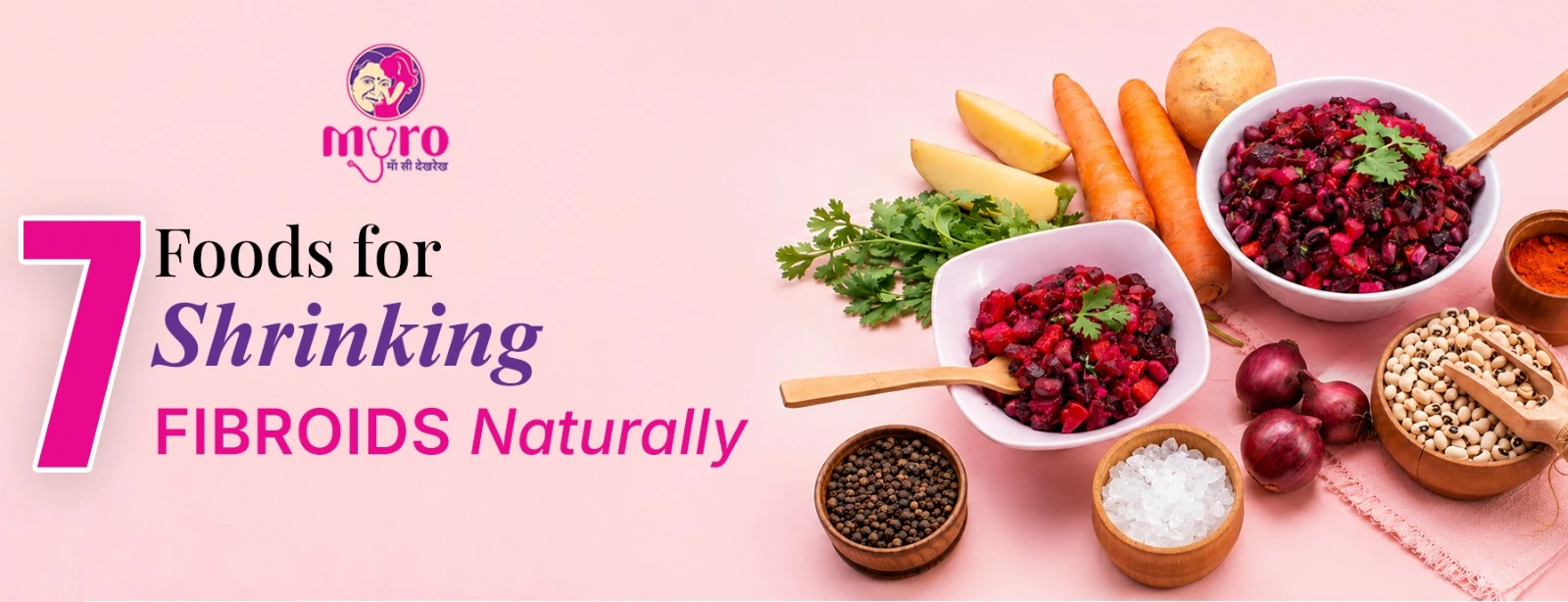
7 foods for shrinking fibroids – each with science + Indian eating tip
Leafy greens – palak, methi, sarson, amaranth
Fibre-rich food acts as a sponge, soaking up excess estrogen in the gut. Fibre can be used as a treatment against anaemia caused by excessive bleeding, another unique advantage of this food.
Indian recipe idea: daily palak dal or methi paratha.
Cruciferous vegetables – gobhi, broccoli, cabbage, kale
Contains indole-3-carbonol (I3C), which assists in the breakdown of excess estrogen in the liver.
Indian tip: gobhi sabzi 3 times a week; raw cabbage salad with jeera.
Flaxseeds – alsi
Fibroid tumors are estrogen-dependent. Phytoestrogens in flax seed modulate estrogen receptors, minimizing the effect of excess estrogen while not inhibiting it completely.
Indian tip: one tablespoon ground alsi in morning roti dough or in lassi/dahi.
Green tea
Epigallocatechin gallate (EGCG), found in green tea, has been proven clinically to stop fibroid cell growth and reduce fibroid size.
Indian tip: Replace one cup of chai with green tea each day.
Omega-3 rich foods – walnuts, chia seeds, flaxseed oil, fish
Omega-3s decrease prostaglandins chemicals causing pain and heaviness during menstruation in fibroids patients.
Indian tip: consume one handful of akhrot daily; chia seeds can be added to overnight oats or dahi. Non-vegetarians may consider including surmai/rohu twice a week in their diets.
Whole grains – bajra, jowar, ragi, brown rice, oats
Fibres stabilize blood glucose and insulin levels, which decreases the hormonal milieu supporting the growth of fibroids.
Indian tip: substitute white rice with brown rice or jowar khichdi four times a week. Substitute maida parathas with bajra or ragi parathas.
Vitamin C and antioxidant-rich fruits – amla, guava, citrus, berries
Vitamin C decreases oxidative stress and helps create collagen in the fibroid tissue. Amla fruit contains the maximum amount of Vitamin C among all foods, giving Indians a unique advantage. Antioxidants help in the liver detoxification of excess estrogen.
Indian tip: consume one raw amla fruit daily, use guavas as snacks, and prepare nimbu paani without added sugar.
Indian superfoods your kitchen already has – turmeric, methi, and more
- Turmeric (haldi): Curcumin stops the growth of fibroid cells by blocking NF-κB inflammation pathway. It is advised to take haldi doodh in the evening, haldi with dal/sabzi and absorption is enhanced with kali mirch an additional value.
- Methi dana (fenugreek seeds): Phytoestrogens assist in controlling estrogen levels. Soak 1 tbsp overnight and consume on an empty stomach. Useful for regulating blood glucose levels too.
- Sprouts (moong, chana): High in enzymes, anti-estrogenic, convenient to make at home. Dose: 1 cup of mixed sprouts every day.
6 foods that make fibroids worse – the Indian diet danger list
Red and processed meats
Meats such as mutton, sausages, salami stimulate estrogen production. Prepare red mutton curry once a week.
Maida (refined flour)
White bread, biscuits, naan, instant noodles elevates insulin levels, disrupts hormonal balance, which is in fact highly relevant for Indian patients.
High-fat dairy in excess
A full-fat milk, heavy cream, paneer in excessive amounts should be avoided. Estrogen occurs naturally in cow’s milk. Low-fat dahi is safe and even advisable.
Alcohol
It raises estrogen by 50%. Even moderate drinking exacerbates fibroids symptoms.
Packaged namkeen, chips, pickles
The high salt content leads to fluid retention and pelvic heaviness. Therefore, one must try to avoid such food in most cases.
Excess sugar
Foods such as mithai, colas and packaged fruit juices cause insulin resistance and hence be avoided.
7-day Indian fibroid diet plan
A 7-day fibroid diet menu must include anti-inflammatory and fiber-rich Indian foods. Begin each day with warm water, amla juice, or green tea. The breakfast items that one can choose for a fibroid diet chart are methi paratha, oats, moong sprouts, or vegetable poha. The lunch must consist of palak dal, jowar khichdi, brown rice, mixed vegetables, and bajra roti. For evening meals, one can consume fruits, nuts, roasted chana, or green tea. The dinner must be light, comprising soups, dal, sautéed vegetables, or millet rotis. Haldi doodh consumed at night might further help control inflammation. This fibroid meal chart is a mere guideline. Please discuss any significant change in your diet with your gynecologist.
Lifestyle tips that multiply the impact of your fibroid diet
- 30 minutes of brisk walking daily: It reduces estrogen and promotes insulin sensitivity. Particularly specify walking during the mornings, a common activity among Indian women.
- Stress management: It elevates cortisol imbalance progesterone-estrogen ratio. Yoga and pranayam (Indian specific) are scientifically proven techniques.
- Avoid plastic containers for hot food: BPA is a known xenoestrogen, which acts like estrogen in your body. Opt for steel or glass materials.
- Maintain a healthy BMI: The extra fat tissue accumulates estrogen. Just reducing your weight by 5-10% will lead to a considerable decrease in estrogen concentration.
When diet is not enough – a gynaecologist’s honest answer
- Be direct: “Diet helps in controlling symptoms and aids in the process of treatment, but it cannot eliminate the already existing fibroids. In case the problem lies in your fibroids, you should see your doctor.”
- List the “see your gynaecologist now” red flags: fibroids exceeding 5cm, heavy menstrual bleeding requiring changing more than one sanitary tampon per hour, anemia (Hb below 8), pelvic pressure interfering with urination/defecation, difficulty conceiving.
- Briefly mention treatment options available: Medical treatment, hysteroscopic treatment, and laparoscopic myomectomy are various treatment modalities depending upon the symptomatology and fibroid size. Book an appointment at Myro Clinic, a trusted gynecologist in jaipur via whatsApp or call us.
frequently asked questions
Q1. Can diet alone shrink or cure uterine fibroids?
No. Fibroids cannot be completely cured by diet; however, it can help prevent their growth, inflammation, hormonal imbalance, and symptoms like menstrual irregularities, bloating, and pelvic pain.
Q2. Which Indian foods are best for women with uterine fibroids?
Indian leafy vegetables such as palak dal, bajra roti, jowar, methi, sprouted moong, amla, fruits, nuts, seeds, fiber-rich Indian food items can help regulate hormones and prevent fibroids’ inflammation.
Q3 Is turmeric (haldi) effective for shrinking fibroids?
Haldi is rich in curcumin, which is known to have anti-inflammatory properties. It will help improve the hormone level. However, turmeric does not decrease the size of fibroids.
Q4 What foods make uterine fibroids grow faster?
Junk food, snacks, maida, colas, too much red meat, frying foods, and high sugar intake may lead to more inflammation, insulin resistance, and estrogen imbalance, possibly accelerating the development of fibroids.
Q5 How long does it take for dietary changes to affect fibroid symptoms?
Women begin seeing results in terms of bloating, digestion, and energy within a few weeks. However, for effective relief through a fibroid diet program, several months may be necessary.
Q6 Can I eat ghee and full-fat dairy if I have fibroids?
A small quantity of homemade ghee is generally allowed. But too much full-fat dairy, along with processed dairy products, may result in increased inflammation or hormonal imbalance in some cases.
Q7 Do fibroids come back after surgery if I don’t change my diet?
Unfortunately, yes, fibroids may recur post-surgery if hormonal imbalance, obesity, inflammation, and improper dieting continue. Lifestyle changes may help minimize the recurrence risks in the future.
Q8 When should I stop trying diet changes and see a gynaecologist?
If there is heavy menstrual bleeding, unbearable pain, infertility, anaemia, enlargement of fibroids, or symptoms affecting your normal activities despite healthy diet and lifestyle changes.