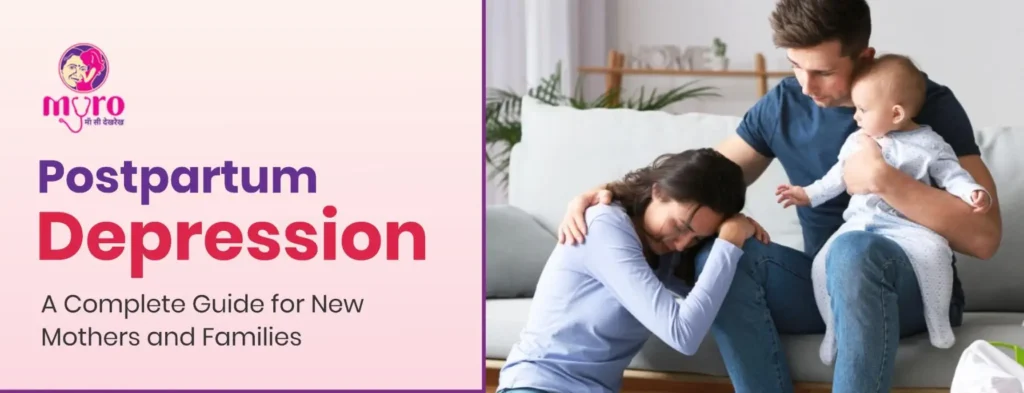
Postpartum Depression A Complete Guide for New Mothers and Families
Motherhood brings a mix of joy, nervousness and endless new responsibilities. Many women expect emotional ups and downs in those first few days after childbirth, but some mothers begin to feel a deeper heaviness that lingers far longer. When sadness, anxiety or emotional disconnection affects daily life, it may be postpartum depression, a real medical condition that deserves understanding and timely support.
At Myro Clinic in Jaipur, Rajasthan, Dr. Satyamvada Pandey, a best gynecologist in jaipur, meets many new mothers who hesitate to talk about their emotional challenges. This guide is designed to offer clarity, reassurance and practical guidance for mothers, families and caregivers who want to understand postpartum depression better.
What Is Postpartum Depression
Postpartum depression is a form of mood disorder that develops after childbirth. It affects how a mother thinks, feels and manages her day-to-day tasks. While it is normal to feel overwhelmed or emotional in the first couple of weeks after delivery, postpartum depression is more intense and lasts much longer.
People often ask what is postpartum depression really means. In simple terms, it is a condition where a mother experiences persistent sadness, anxiety, fear or emotional emptiness that interferes with daily life. It does not mean she is a bad parent. It is not a failure. It is a health issue created by changes in hormones, lifestyle and emotional stress. With the right support, healing is absolutely possible.
Causes and Risk Factors
There is no single cause behind postpartum depression. Instead, several factors come together and influence a mother’s emotional health.
One major contributor is hormonal fluctuation. Pregnancy and childbirth cause dramatic hormone shifts that affect mood and emotional balance. This can make women more sensitive to stress or negative emotions.
Another important element is sleep deprivation. Caring for a newborn often means irregular sleep, constant feeding schedules and ongoing physical tiredness. Over time, this emotional and physical weariness increases vulnerability to depression. There are also emotional and environmental postpartum depression causes such as:
• Feelings of loneliness
• Limited family support
• Fear or worry about caring for the baby
• High expectations from others
• Financial or relationship stress
Understanding postpartum depression risk factors helps doctors provide early support. These risk factors include:
• Previous depression or anxiety
• Complications during pregnancy
• A traumatic delivery experience
• A premature or medically fragile baby
• A history of miscarriages
• Stressful family or life situations
• Lack of emotional support
Having risk factors does not guarantee that a mother will experience postpartum depression, but they do highlight who may need closer monitoring and additional care.
Symptoms and Signs
Postpartum depression shows up differently for every woman. Some experience emotional symptoms, while others notice behavioral or physical changes.
A helpful approach is to look at a clear postpartum depression symptoms list so families can recognize when something deeper is going on. These symptoms may include:
• Persistent sadness or emptiness
• Very frequent crying spells
• Irritability or sudden anger
• Constant worry or racing thoughts
• Difficulty bonding with the baby
• Trouble focusing or making decisions
• Changes in appetite
• Sleep problems even when the baby is asleep
• Feeling overwhelmed by daily tasks
• Low energy or unexplained exhaustion
When we specifically observe the signs of postpartum depression in women, we often see emotional withdrawal, difficulty connecting with family, reduced interest in self-care and feelings of guilt or inadequacy. Some women feel disconnected from their baby or fear they are not good enough, even when they are doing everything right.
Severe cases may involve frightening thoughts or fears of harm, which require immediate medical attention. Recognizing these symptoms early can make recovery smoother.
How Postpartum Depression Is Diagnosed
Diagnosis involves open conversation and compassionate evaluation. A gynecologist or mental health professional will ask about emotional changes, sleep patterns, appetite, energy levels and overall mental well-being. There is no single blood test for postpartum depression. Instead, doctors use validated screening tools and careful listening to understand the mother’s emotional state.
During diagnosis, doctors may rule out thyroid problems, anemia or vitamin deficiencies because these conditions can mimic depression symptoms. At Myro Clinic, Dr. Satyamvada Pandey follows a supportive, patient-centered approach so new mothers feel heard and understood. Early diagnosis ensures mothers receive timely care and reduces the intensity and duration of symptoms.
Treatment Options
The best part about postpartum depression treatment is that it works. Recovery happens with the right combination of emotional support, therapy and sometimes medication.
Talk therapy helps mothers express emotions they often keep bottled up. Through therapy they learn coping techniques that ease stress and stabilize emotions.
Medication may be recommended for moderate to severe cases. Antidepressants help balance brain chemicals, and many are safe during breastfeeding. A doctor will guide mothers toward the right option based on their unique needs.
Support groups are also highly effective. Connecting with other mothers helps reduce isolation and reminds women that they are not alone.
Lifestyle changes complete the treatment plan. Adequate rest, gentle physical activity, good nutrition and emotional support from family create a strong foundation for healing.
Recovery takes time, but with consistency and care, improvements become noticeable week by week.
How to Support Someone With Postpartum Depression
Knowing how to support someone with postpartum depression can completely transform their healing experience. Many mothers hesitate to share what they feel, fearing they will be misunderstood. A supportive family member or partner can make a remarkable difference.
Offer emotional comfort by listening patiently. Avoid dismissive phrases like you should be happy or other mothers manage just fine. These statements minimize the mother’s experience and deepen her guilt.
Practical support matters as well. Helping with household tasks, preparing meals, watching the baby or accompanying the mother to doctor appointments can ease emotional pressure. Encourage her if she needs postpartum depression help, whether from a therapist or healthcare provider. The goal is to create a safe, supportive environment where the mother feels cared for and understood.
Postpartum Depression vs Baby Blues
Many new mothers experience mood swings in the first few days after childbirth. This is commonly known as the baby blues. It lasts about two weeks and includes irritability, tearfulness and mild anxiety. These emotions shift quickly and do not interfere with daily functioning.
In the comparison of postpartum depression vs baby blues, the differences become clear. Postpartum depression lasts longer, is more intense and disrupts daily life. The sadness or emotional numbness does not improve with rest or reassurance. Mothers often feel stuck in heavy emotions that refuse to go away.
Understanding this difference helps families recognize when professional help is needed.
Recovery Timeline
Recovery varies widely from mother to mother. Some women begin to feel better within a few weeks of starting treatment, while others need months to regain emotional stability. A realistic postpartum depression timeline is different for everyone depending on symptoms, treatment and support.
When cared for early, the postpartum depression recovery time is shorter. Consistent therapy, proper rest, emotional support and appropriate medication help mothers regain confidence and a sense of control.
Recovery does not mean there will never be difficult days. It means the mother learns to manage her emotions, reconnect with her baby and rebuild her strength at a healthy pace.
Frequently Asked Questions
What are the first signs of postpartum depression?
The first signs often include persistent sadness, crying, irritability, sleep problems and emotional disconnection. Difficulty bonding with the baby and constant worry are also common early indicators.
How long can postpartum depression last?
It varies. With early intervention many women feel better within weeks, but some may experience symptoms for several months. Treatment greatly reduces the length and intensity of postpartum depression.
Is postpartum depression preventable?
Not always, but certain lifestyle habits help reduce the risk. These include maintaining good sleep when possible, seeking emotional support during pregnancy, discussing mental health concerns with a gynecologist and building a strong postpartum support plan.