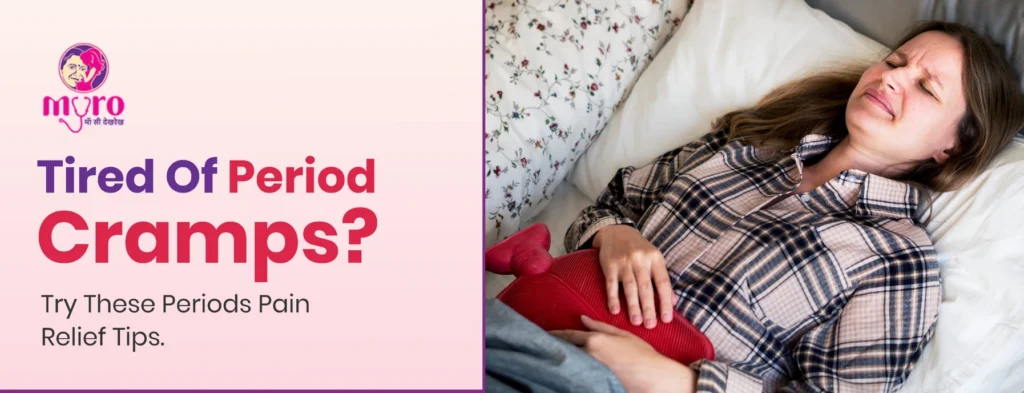
Tired Of Period Cramps? Try These Period Pain Relief Tips
Period pain is very common. Virtually all girls or women complain of some discomfort during periods. Normal is mild pain, some level of heaviness or a few cramps. However, extreme pain that prevents you from engaging in daily production is abnormal.
Periods can be a very big problem among women. It becomes hard to do simple tasks like going to school, office or even simple house work. There are women who spend their days in bed due to pain. Others continue working but they are victims in silence.
The majority of the women use painkillers monthly. Such drugs provide temporary relief, albeit temporarily. After the effect subsides, the pain recurs. Pain killers are no solution to the actual problem.
This blog features simple, natural, and effective tips on period pain relief, which are actually helpful. They are tips that are centered on everyday life and taking care of the body rather than concealing the pain.
What Is Period Pain?
Period pain refers to the pain or cramps experienced in the lower stomach when one is on periods. Other women complain of lower back pain, pain in thighs, or waist.
Basic description of period cramps
At times, the uterus becomes tighter in order to expel blood. This makes it tight, making it cramp. These cramps may be in the form of pulling, squeezing, or painful.
The meaning of dysmenorrhea
The medical term of painful periods is dysmenorrhea. It is just painful or intense pain during menstruation
The cause of some girls being in more pain than others
The cause of the pain to some girls increases due to:
• Weak muscles
• Hormonal imbalance
• Stress
• Poor eating habits
• Lack of exercise
• Such health issues as PCOS or PCOD.
Each body is unique and hence the levels of pain are also different.
What Makes Period Cramps So Painful?
Period pain is worsened in some women because of many reasons.
Unhealthy Daily Routine
The lifestyle is poor and it influences the body and hormones.
• None of the exercises causes muscles to become stiff and weak.
• Toxic eating habits hamper nutrition.
• Junk food enhances inflammation.
Loss of sleep disrupts hormones.
Period pain is increased when a body is tired and unhealthy.
Stress and Mental Pressure
The stress factor contributes to the period pain.
• Stress makes muscles tight
• It enhances hormonal imbalance.
Periods are influenced by emotional pressure.
The body also responds in more pain when the mind is not calm.
Menopause or Polycystic Ovarian Syndrome
- Lifestyle issues are rising nowadays.
- PCOS and PCOD are very frequent among young girls.
- These conditions bring about hormonal imbalance.
- Hormonal Imbalance results in painful and irregular periods.
- Period pain may be aggravated in the long run when these issues are ignored.
Is Severe Period Pain Normal?
Mild pain is normal but severe pain is not.
Distinction in mild and severe cramps
- Mild pain You are able to walk, sit and work.
- Severe pain You are unable to stand, walk, focus.
When period pain impacts day to day life.
When pain prevents you from going to school, office or carrying out your daily chores, then this is an alarm bell.
Indications that cannot be overlooked.
• Pain that is unbearable
• Pain every single month
Pain from vomiting, or dizziness.
• Heavy bleeding with pain
Such indicators depict that the body requires some attention.
Why It is not a Good Idea to Take Painkillers Every Month.
Painkillers are useful but it is not healthy to use them frequently.
The analgesics can only mask pain temporarily.
Analgesics do not rectify the pain but prevent pain signals. As soon as the medicine effect is lost, the pain recurses.
The frequent use can lead to other health complications.
• Stomach problems
• Weak digestion
• Liver and kidney stress
• Dependency on medicines
Relief is actually remedying the cause.
Real relief is provided by the changes in lifestyle, food, mental health, and hormonal balance.
Best Period Pain Relief Tips That Work Naturally
These period pain management guidelines are long-term CAM and body-centered.
Exercise Regularly
Exercise enhances the circulation of blood and muscle relaxation.
Light walking also assists in decreasing cramps.
• Yoga stretches will decrease muscle tightness.
• Simple stretching makes the lower body relax.
It is not essential to have heavy workouts. Simple moving around can be of great assistance.
Eat Healthy and On-Time
In period health, food has a significant role.
• Eat warm, home-cooked food
• Do not eat junk, oily, and highly spicy food.
• Eat meals on time
• Do not skip meals
Food is good as it provides strength to the body and balances hormones.
Make Stress a Thing of the Past.
A calm mind reduces pain.
• Practice deep breathing
• Get enough sleep
• Take small breaks in working.
• Avoid overthinking
Period pain is directly related to mental peace.
Prevent Constipation During Periods.
Most women are unaware of the fact that period pain is influenced by digestion.
• Constipation causes pressure in the stomach.
Cramps are aggravated by this pressure.
To avoid this:
• Drink enough water
• Eat fruits and vegetables
• Include fiber-rich foods
Proper digestion translates into less pain.
Home Remedy Period pain- Simple Home Remedy.
An extremely easy domestic remedy that most of the female gender would consider:
• Drink warm water
• Add one teaspoon of ghee
This assists in strengthening muscles and enhancing digestion. It is not difficult, natural and safe among many women. Nevertheless, no two bodies are the same.
Take Care of Your Body and Your Mind
Period pain relief does not simply concern medicine.
Physical nursing and mental calmness are inseparable.
Small changes per day have huge outcomes.
Eating, sleeping and getting around helps.
Self-care is not optional. It is necessary.
Period pain can be diminished by listening to the body and paying attention to its needs, with time.
When Should You Visit a Doctor for Period Pain?
Home care is not enough sometimes.
Signs You Need Medical Help
You are to consult the doctor in case of:
• Very severe pain every month
• Irregular periods
• Heavy bleeding
• Pain that does not improve
• Symptoms of PCOS or PCOD
The negligence of such signs may aggravate the issue.
The Reason behind Professional Guidance.
A doctor can help by:
• Finding the exact cause
• Giving correct diagnosis
• Treating patients at a personal level.
• Offering long-term relief
When the pain is severe, medical consultation is necessary.
About the Doctor
Dr. Satyamvada Pandey is a highly experienced gynecologist in Jaipur with over 15 years of clinical experience in women’s health care. She specializes in managing menstrual disorders, period pain, PCOS/PCOD, pregnancy care, and other gynecological concerns.
This article has been written and medically reviewed under her guidance to ensure accurate, safe, and practical information for women experiencing period pain. Her approach focuses on identifying the root cause of symptoms and providing personalized, long-term care rather than temporary relief.
FAQ’s
1. What do period cramps feel like?
Period cramps usually feel like a dull, throbbing, or pulling pain in the lower abdomen. Some women also feel pressure in the lower back or thighs. The intensity can vary from mild discomfort to more noticeable pain that may make it hard to focus on daily tasks.
2. How long do period cramps usually last?
Cramps often begin a day or two before your period and are strongest during the first 24–48 hours of bleeding. For most women, they gradually ease after a couple of days, though the duration can differ from cycle to cycle.
3. Do heavy periods cause more pain?
Yes, heavier bleeding can make cramps worse because the uterus has to work harder to shed its lining. Women with heavy periods may notice stronger or more prolonged discomfort compared to lighter flows.
4. Are period cramps the same as labor pain?
Not exactly. Period cramps involve shorter, milder contractions of the uterus, while labor pain is stronger, more rhythmic, and lasts longer. Severe period pain can feel intense, but it’s usually manageable and less overwhelming than labor contractions.
5. Can diet and hydration help reduce period pain?
Absolutely. Eating nutritious, balanced meals and staying hydrated can help reduce inflammation and muscle tension. Avoiding excessive caffeine, junk food, and processed snacks while including fruits, vegetables, and foods rich in magnesium or omega-3s can make cramps feel less severe.