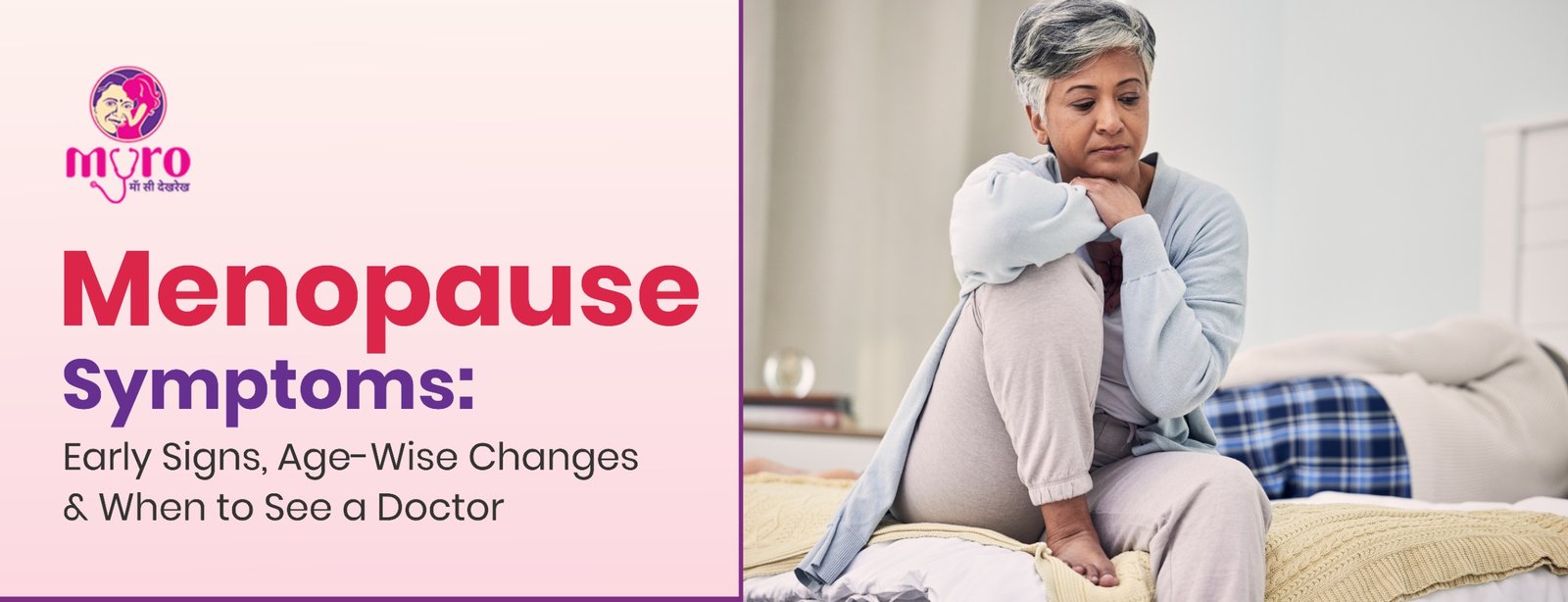
Menopause is a natural cycle of the life of a woman as a result of which monthly periods do not appear any longer. This is because hormones that the body needs to procreate are lost gradually. The symptoms of menopause are witnessed by most women well before they end as a result of menopause. The significance of the knowledge of the symptoms of menopause at the young age is in that they may influence the quality of life and mood in the everyday routine and sleep and health in general. The signs of menopause appear at the ages of 4050 in most of the women though the time when they happen can change. Knowing the norms and the time to approach a woman will enable the women to react to the changes in a more effective manner and secure their further health.
What Is Menopause?
Menopause is a condition that depicts the loss of menstrual cycles in a continuous span of at least 12 months. It is the end of the reproductive age of a woman.
Menopause is a biological phenomenon. It happens when ovaries stop their egg release and release lesser quantities of estrogen and progesterone. In some cases, menopause can also take place at an early age due to surgery, cancer therapies, and medical problems. This is termed as medical menopause.
The average age at which women have menopause is around 50 years, but some fall below and others above the age.
What Are the Early Symptoms of Menopause?
Some of the symptoms of early menopause usually commence during a phase known as perimenopause. This phase may be initiated a number of years before periods cease altogether.
Common Early Menopause Symptoms
Small changes are first observed by many women, like:
- Irregular periods which are either early or late
- Hot flushes that resemble the sudden rise of body temperature
- Night sleeps that are disturbed
- Difficulty with falling or sleeping
These early menopause symptoms can be in and out, and thus they can easily be overlooked initially.
Early Menopause Symptoms at Age 40
Other women go through menopause at a tender age of 40s. Common signs include:
- Missed or delayed periods
- Inappropriate mood swings without any apparent cause
- Even when rest is sufficient, one feels fatigued
- Weakness – energy during the day
These changes may be disorienting particularly when they come sooner than anticipated.
Common Menopause Symptoms in Women
Symptoms become evident as the progression of menopause reaches its climax. Menopause symptoms vary among women, but there are quite a number of symptoms which are common.
Physical Menopause Symptoms
Symptoms of physical menopause include the body directly and they may include:
- Hot flushes which occur frequently
- Increase of weight particularly around the stomach
- Joint and muscle pain
- Discomfort of vaginal dryness
- Frequent headaches
These physical transformations occur as a result of declining hormone levels and alteration of metabolism.
Emotional and Mental Menopause Symptoms
Emotions and thinking also are influenced by hormonal changes. The symptoms of emotional menopause can be:
- Mood swings that feel sudden
- Fear without any apparent cause
- Sadness or depression
- Problems with memory and lack of concentration
Menopause mood swings may have an impact on relationships, employment, and self-confidence.
Menopause Symptoms by Age
The symptoms of menopause tend to vary with every age group of a woman.
Menopause Symptoms at Age 45
At approximately 45 years of age, most women suffer:
- Hormonal fluctuations
- Irregular menstrual cycles
- High emotional sensitivity
- Trouble handling stress
This phase is more of perimenopause than menopause.
Menopause Symptoms at Age 50
At age 50, symptoms may include:
- Complete stop of periods
- More intense hot flashes
- Bone density concerns
- Increased risk of joint pain
This is the age when most women are officially in menopause.
Perimenopause vs Menopause Symptoms
The distinction between perimenopause and menopause can be used to remove confusion.
Symptoms of Perimenopause
The perimenopause stage is the pre-menopause. Symptoms include:
- Brief or extended periods of menstruation
- Breast tenderness
- PMS-like symptoms
- Mood changes before periods
Periods also occur during perimenopause though sporadically.
Symptoms After Menopause
This is not all of the symptoms; menopause may cause additional health problems:
- Fewer hot flashes
- Vaginal and urinary changes
- Higher risk of heart disease
- Increased bone weakness
Postmenopause is more concerned with long-term health care.
Severe Menopause Symptoms You Should Not Ignore
Medical attention is required for some menopause symptoms. These include:
- Heavy or unusual bleeding
- Dreadful mood disorders or depression
- Persistent pelvic pain
- Weight loss or gain of a sudden or without an explanation
Neglecting severe symptoms may slow down the treatment and deteriorate health complications.
How Long Do Menopause Symptoms Last?
Symptoms of menopause normally take a duration of 4 to 8 years although it varies.
Elements that influence the duration of symptoms are:
- Genetics
- Overall health
- Lifestyle habits
- Stress levels
In a few women, the symptoms can persist longer particularly when no treatment or lifestyle support is made.
When Should You See a Gynecologist for Menopause Symptoms?
You must see a doctor when:
- Symptoms disrupt the normal life
- Menopause begins very early
- Pain is emotional or physical in nature
- Periods are interrupted before 40 years
When seeking the finest gynecology practitioners in Jaipur, the women must settle on those who have experience in managing menopause so that they can receive guidance and care appropriately.
How Are Menopause Symptoms Diagnosed?
Characteristics of diagnosis typically begin with an in-depth conversation.
Doctors may use:
- Symptom clinical assessment
- Blood tests of FSH and estrogens
- Menstrual and medical history
Tests assist in confirming that a woman has menopause and eliminating any other ailment.
Treatment and Relief Options for Menopause Symptoms
The treatment is based on the severity of the symptoms and individual health requirements.
Medical Treatment Options
Medical options may include:
- Hormone therapy to equalize the estrogen level
- Non-hormonal treatments of hot flushes or mood alterations
Treatment is determined by the doctors depending on the age, health history, and symptoms.
Lifestyle Changes for Menopause Symptom Relief
Easy changes in the way of life can lead to a real rescue:
- Eating a balanced diet
- Regular physical activity
- Relaxation as a way of achieving stress control
- Restriction of caffeine and hot food
Symptom severity can be mitigated in healthy habits.
Can Menopause Symptoms Be Managed Naturally?
Natural means of managing menopause symptoms should be desired by many women.
Helpful options include:
- Yoga and meditation as a stress reliever
- Having a good sleeping schedule
- Calcium and vitamin D nutrition
- Staying socially connected
Natural ways have their best effect when adhered to.
FAQs About Menopause Symptoms
What are the first symptoms of menopause?
It is largely marked with unpredictable periods, hot flushes, sleeping troubles and mood swings.
At what age do menopause symptoms start?
The majority of the women would most probably notice the symptoms at the age 40-50 years.
Are menopause symptoms painful?
It is not possible that every woman will experience pain, but some of the symptoms are not pleasant.
Can menopause symptoms return after stopping?
These symptoms like hot flashes may revert upon the discontinuation of the treatment.
Is treatment necessary for menopause symptoms?
Treatment is not a mandatory process but medical support can be advantageous in case quality of life is a contributing factor to the symptoms.